
Cat A vs Cat B Office Fit-Outs: A Simple Guide
If you’re taking on a new office fit out, or refurbishing the one you’ve got, you’ll come across the terms Cat A, Cat B, and Shell and Core fairly quickly. Landlords and agents use them constantly, and they’re rarely explained properly.
Here’s what they actually mean, and how they affect the work you’ll need to do before you move in.
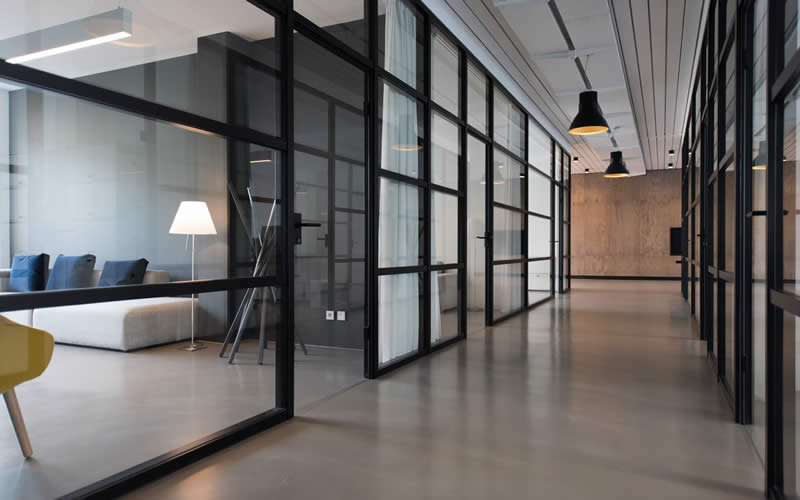
Shell and Core: the empty building
This is the building in its rawest state. Concrete floors, bare walls, no lighting, no toilets, no finishes. It’s how a lot of new-build office space is handed over by developers. Everything from that point forward is down to whoever occupies it.
Cat A: ready for a tenant, not ready for a team
A Cat A fit-out takes that empty shell and adds the basics: raised flooring, a suspended ceiling, heating and ventilation, fire and smoke detection, and the core mechanical and electrical services. What it doesn’t have is anything specific to the business moving in. No partitions, no kitchen, no branding, no desks.
Typically included in a Cat A fit-out:
Cat A Plus: the halfway point
This sits between Cat A and Cat B. It usually covers partitioning for meeting rooms and breakout spaces, a fitted kitchen, some furniture, rerouted power and air conditioning, and basic IT infrastructure. It’s a useful stage for businesses who want more flexibility without committing to a full Cat B spec on day one.
Cat B: fitted out for how you actually work
A Cat B fit-out is where the space becomes yours. It’s built around how your team works day to day and how your brand shows up in the space, covering everything from meeting rooms and breakout areas to kitchens, furniture, and IT infrastructure. Proper space planning has to happen before any of this design work starts, so the layout suits the people using it, not just the floor plan.
Is a refurbishment the same as a Cat B fit-out?
Not quite, though the terms get used interchangeably. An office refurbishment is when an existing office is redone, sometimes stripping out an old Cat B fit-out entirely and replacing it with one that suits a new tenant or a changed way of working. If you’re moving into new space, you’re most likely dealing with Shell and Core or Cat A. If you’re changing an existing space, that’s a refurbishment.

What to check before you sign
There’s no fixed industry standard for what counts as Cat A or Shell and Core. One landlord’s version can look quite different from another’s, so check your lease carefully before you commit, and get clarity on exactly what you’re inheriting.
If you’re weighing up a move or a refurbishment and want a second opinion on what you’re taking on, get in touch. We’re happy to talk it through, no obligation.
Common questions
That depends on what you’re starting with. If you’re moving into new premises, you’re most likely inheriting Shell and Core or Cat A, and building up from there. If you’re staying put but the space no longer works for your team, that’s a refurbishment, and it can involve stripping right back before rebuilding to a new Cat B spec.
Not quite, though people use the terms loosely. A refurbishment is what happens to an existing office that’s already fitted out, sometimes stripping out an old Cat B scheme completely and replacing it with a new one. A Cat B fit-out more often refers to fitting out a space for the first time, after Cat A or Shell and Core.
There are three stages most people come across: Shell and Core (the bare building, nothing installed), Cat A (basic services and finishes in place, ready for a tenant to build on), and Cat B (the fully fitted space, tailored to how a business actually works). Cat A Plus sits between the last two, adding partitioning, a kitchen and some furniture without going the whole way to a full Cat B fit-out.
It’s the standard of finish a landlord commits to before handover, usually raised floors, a suspended ceiling, basic lighting, heating and ventilation, and core fire and electrical services. There’s no fixed industry definition, so the exact spec can vary from one building to the next. Always check what’s written into your lease rather than assuming.
Nothing. They’re the same thing. “Cat A” is just the shortened version of “Category A,” and both terms get used interchangeably by landlords, agents and fit-out companies.


